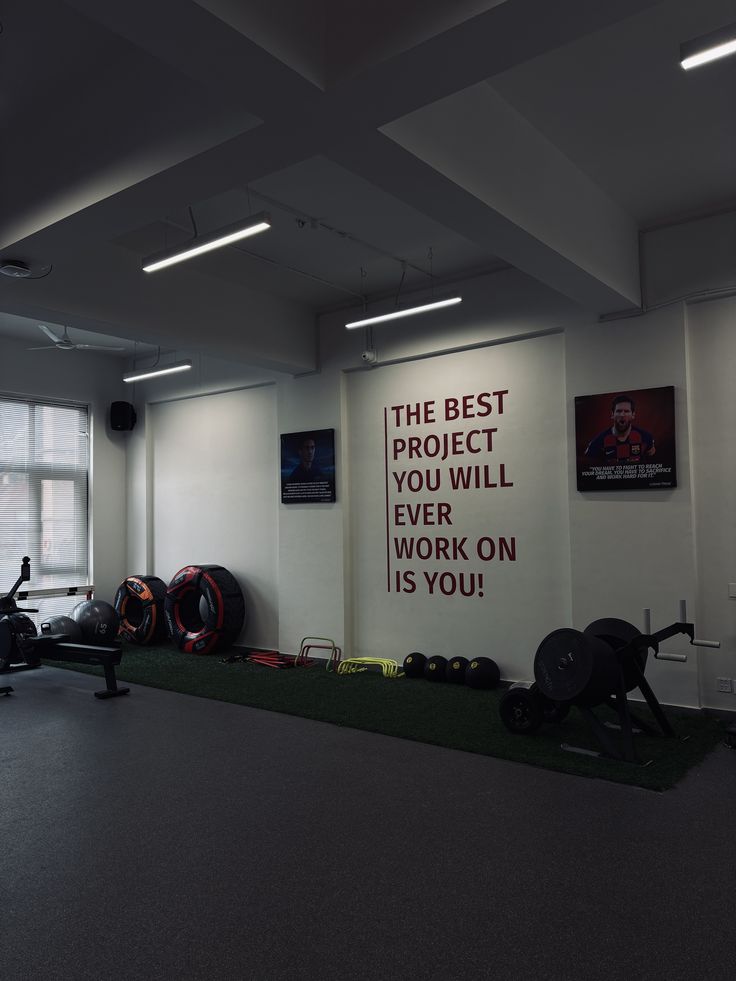
Walk into any gym and you’ll find hundreds of opinions. One person swears by fasted cardio, another says it’s a waste of time. Someone tells you to lift heavier, while someone else says you should focus on smaller weights with more reps. With so much information online, it’s easy to feel like you’re doing everything wrong before you’ve even started. The truth is, most progress doesn’t come from chasing the newest workout trend or buying the latest supplement. It comes from mastering the basics, showing up consistently, and giving yourself the grace to improve one workout at a time. Whether you’re stepping into the gym for the first time or you’ve been lifting for years, these are the tips I find myself giving over and over again. Some are backed by science, some come from my own experience, and a few are simply reminders we all need every now and then.
Let’s get into it.
The Basics
- Half the Battle is Just Showing Up: I know it sounds cliche, but it’s true. There will be days you’re tired, stressed, busy, or simply don’t feel like going. Those are often the days that matter the most. You don’t need every workout to be your best, you just need to keep showing up.
Coach’s tip: Don’t tell yourself you have to finish an amazing workout. Just tell yourself you have to walk through the doors. The rest usually takes care of itself.
- You Can’t Out-Train Your Diet: No matter what your goal is, building muscle, losing fat, improving athletic performance, or simply feeling healthier, your nutrition matters. Exercise is only one piece of the puzzle. Fueling your body properly helps you perform better in the gym, recover faster, and make the progress you’re working so hard for.
Coach’s tip: Think of food as fuel, not as something you have to earn or feel guilty about.
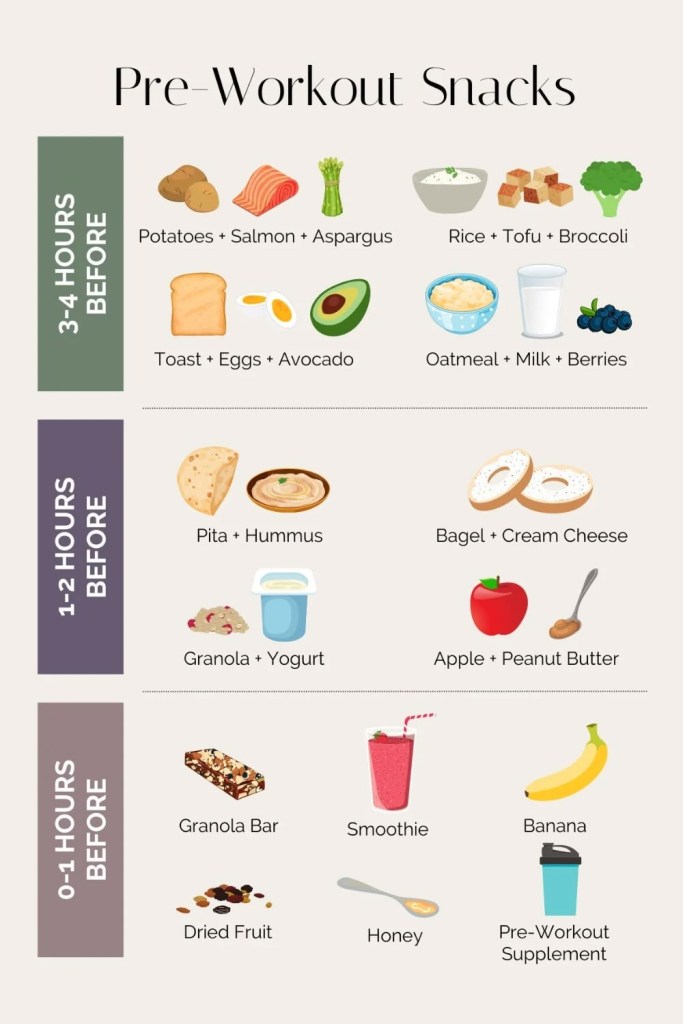
- Your Best Pre-Workout Snack Probably Isn’t Protein: One of the biggest misconceptions I hear is that you need to slam a protein shake right before lifting. While protein is incredibly important for muscle repair and growth, your body actually prefers carbs as its primary fuel source during resistance training. Carbs are stored as glycogen in your muscles and liver, which your body breaks down to produce energy during exercise. If you are eating 1-3 hours before your workout, choose a balanced meal with carbs, protein, and some healthy fats. If you are eating closer to your workout, opt for simpler carbs like rice cakes with honey, fruit, a bloat bowl (a trend I am obsessed with). My personal favorite is a bowl of yogurt topped with cinnamon, honey, and granola.
Coach’s tip: Fuel the workout first. Repair the muscles afterward.
- If You’re Going to Buy One Supplement, Make it Creatine: Supplements aren’t magic, and you certainly don’t need a cabinet full of them to make progress. If there is one supplement that has consistently stood the test of time, it’s creatine monohydrate. It is one of the most extensively studied sports supplements available. Research has repeatedly shown that it can improve muscle strength, power output, and high-intensity exercise performance by helping your muscles regenerate ATP. It’s affordable, it’s effective, and safe for healthy individuals when taken as directed.
Coach’s Tip: Save your money on trendy supplements. Master your training, nutrition, and sleep first.
- Form Will Always Beat Weight: The number on the dumbbell doesn’t earn you extra points. Using proper technique allows you to train the intended muscles, lowers your risk of injury, and builds a stronger foundation for long-term progress. Chasing heavier weights before you’ve mastered the movement usually leads to compensations that increase your injury risk and limit your results.
Coach’s tip: Leave your ego at the door. Your joints will thank you years from now.
- Stop Comparing Yourself to Everyone Else: Comparison has a funny way of making your own progress disappear. Suddenly, the 5 pounds you just added to your squat doesn’t feel exciting because someone else is lifting twice as much. What you don’t see is everything behind the scenes. Maybe they’ve been lifting for ten years. Maybe they’re training for a competition. Maybe they have completely different genetics, goals, or life circumstances than you. Everyone walks into the gym with a different story, and your journey was never meant to look exactly like someone else’s. The only comparison worth making is between who you were yesterday and who you are today. Celebrate the small wins, the extra rep, the heavier dumbbell, the improved confidence.
Coach’s tip: The strongest people in the gym are usually the ones paying the least attention to everyone else.
- Learn to Love Being a Beginner: Nobody walks into the gym knowing exactly what they’re doing. Every experienced lifter, trainer, or athlete you admire once stood in the same place wondering how to adjust a machine, second-guessing their form, or feeling nervous that everyone was watching them. Honestly, most people are far too focused on their own workout to judge yours. Ask questions, make mistakes, and be willing to learn. Being a beginner isn’t something to be embarrassed about, it is the first step toward becoming someone who feels confident in the gym.
Coach’s tip: Don’t let being new stop you from becoming experienced. Every expert was once a beginner who kept showing up.
- A Compliment Goes a Long Way: Gyms can be an intimidating place. Even the people who look confident are often battling self-doubt more than you’d think. A genuine compliment – whether it’s acknowledging someone’s hard work, consistency, or even their gym outfit – can completely change someone’s day. This is something I am actively trying to do more myself. Kindness costs nothing, and you never know when a few encouraging words will be exactly what someone needed to hear. If someone looks like they’ve been putting in the work, tell them. It might be the confidence boost that keeps them coming back.
Coach’s tip: Be the reason someone leaves the gym feeling a little more confident than when they walked in.
Lower Body
- Warm Up Like You Mean It: Leg day places some of the highest loads on your muscles and joints. Spending a few minutes increasing your heart rate, warming up your hips, knees, and ankles, and performing a couple lighter warm-up sets can make a huge difference in both performance and injury prevention. Your body will thank you for taking those few extra minutes before loading the bar.
Coach’s tip: A five-minute warm up is a lot shorter than weeks spent recovering from an injury.
- Leg Day Demands Fuel: Your legs contain some of the largest muscles in your body, including your glutes, hamstrings, and quadriceps. Training these muscle groups requires a lot of energy, so don’t be surprised if leg day leaves you more exhausted than upper-body workouts. Make sure you’re eating enough carbohydrates, staying hydrated, and replenishing your body afterward so you can recover well and come back stronger for the next session.
Coach’s tip: Walking into leg day under-fueled is like trying to drive a car with the gas light already on.
- Your Core is the Foundation of Every Leg Exercise: Think your legs do all the work during squats and deadlifts? Think again. A strong, braced core is what keeps your spine stable and allows you to transfer force efficiently from your upper body to your lower body. Before you worry about adding more weight, learn how to brace your core, you will likely notice your lifts feel stronger and more controlled.
Coach’s tip: Your core isn’t just for ab day; it is working during almost every lower-body exercise.
- A Great Leg Workout Uses Both Machines and Free Weights: One of the biggest mistakes in the gym is feeling like you have to choose between machines and free weights. In reality, a well-rounded leg workout should include both. Free-weight exercises like squats, RDLs, and lunges build overall strength, coordination, and stability by challenging multiple muscle groups at once. Machines, however, allow you to isolate individual muscles more effectively. Exercises like leg extensions, leg curls, glute kickbacks, and the adductor machine let you focus on one muscle group at a time, making it easier to apply progressive overload and maximize muscle growth.
Coach’s tip: Free weights build your foundation, while machines help fine-tune individual muscle groups. Make room for both in your next leg day.
- Don’t Neglect Your Adductors: When most people think about training legs, they immediately think quads, hamstrings, and glutes. But your adductors (the muscles along your inner thigh) make up nearly 1/3 of your leg mass. Building stronger adductors not only creates fuller, stronger-looking legs, but also improves hip stability, helps reduce compensation patterns, and may decrease unnecessary stress on your lower back during compound movements.
Coach’s tip: If you’re skipping the adductor machine every leg day, you might be leaving both strength and muscle growth on the table.
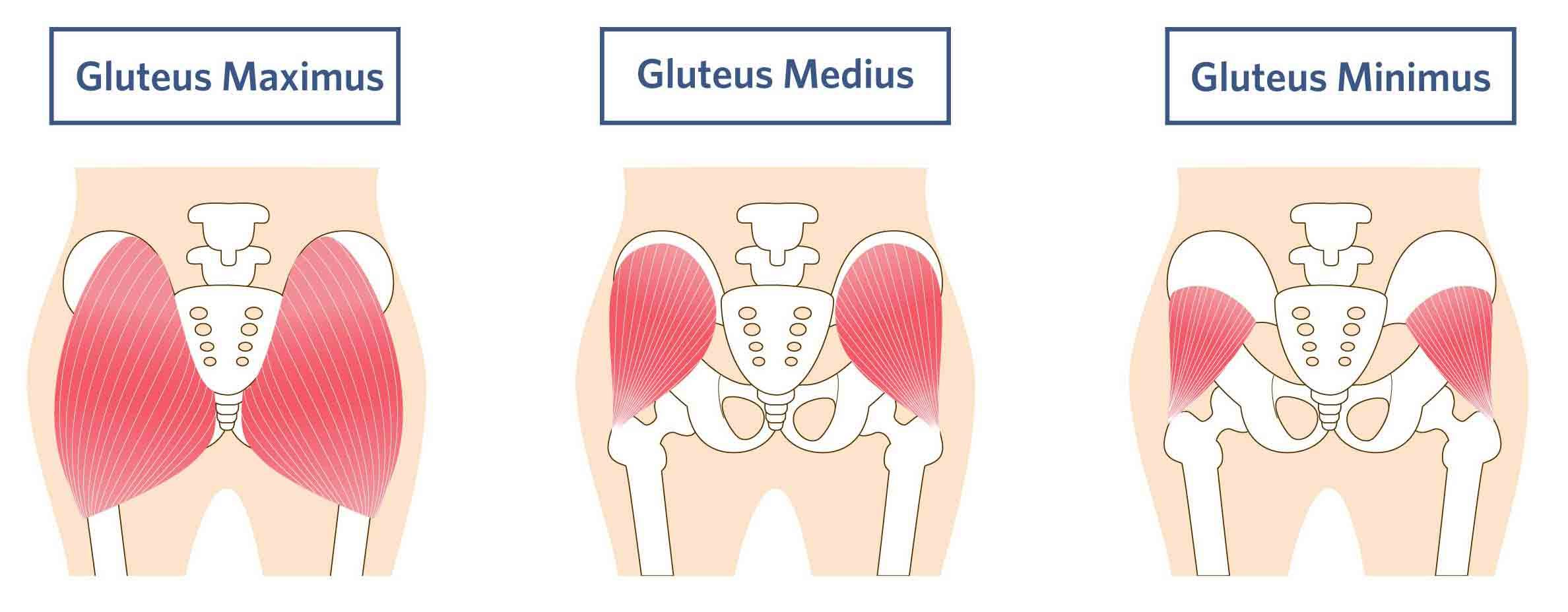
- Your “Glutes” Are Actually Three Different Muscles: When people say they want to “grow their glutes,” they are really talking about three muscles: gluteus maximus, gluteus medius, and gluteus minimus. Each has a different role in movement and stability, so relying on only one or two exercises isn’t enough. Training all three will help improve strength, balance, hip stability, and yes, help build the rounded glutes that so many people are working toward.
- Gluteus maximus: hip thrusts, RDLs
- Gluteus medius: cable abductions, lateral band walks
- Gluteus minimus: seated/standing hip abduction, single-leg stability work
Coach’s tip: Hip thrusts are great, but they shouldn’t be your entire glute program.
Upper Body
- Group Your Muscles: One of my favorite ways to organize an upper-body workout is by movement patterns rather than individual muscles. Most back exercises involve pulling, which naturally recruits your biceps, while many chest and shoulder exercises involve pushing, which will also activate your triceps. Training these muscle groups together creates a balanced workout and helps you get the most out of each exercise.
Coach’s tip: Don’t think “arms”. Think movements. Your muscles were designed to work together.
- Remember that Most Muscles Have More than One Head: Many muscles aren’t just one solid piece, they are made up of different heads that each contribute to movement. Your biceps have a long and short head, your triceps have three heads, and your deltoids have an anterior, lateral, and posterior head. A well-rounded workout should include exercises that target each part instead of repeatedly training the same area while neglecting the others.
Coach’s tip: Balanced muscle development doesn’t just look better; it helps your body move better too.
- Think About What the Muscle Actually Does: Instead of memorizing a list of exercises, think about the actual job of the muscle you are trying to train. Every muscle has one or more primary actions, and understanding those movements can help you get more out of every rep. Take the biceps, for example. Most people know they flex the elbow, but they also help supinate the forearm (turning your palm upward). That’s why, during curls, I don’t just think about bending my elbow, I also focus on rotating my palm up and brining my pinky to my shoulder. That cue helps me emphasize both elbow flexion and forearm supination. Sometimes the smallest adjustments can make the biggest difference.
Coach’s tip: Don’t just perform the exercise, understand why it works. Knowing what a muscle does can completely change how you train it.
- Posture Matters More Than You Think: Good posture isn’t just for standing up straight, it directly affects how your muscles work during an exercise. Keeping your shoulders set, your core engaged, and avoiding unnecessary swinging allows you to move through a full range of motion and place tension where it is supposed to be. Better posture means better biomechanics, better muscle activation, and ultimately better results.
Coach’s tip: If you have to use momentum to finish the rep, the weight is probably using you more than you’re using it.
- Don’t Just Chase the Pump: Don’t get me wrong, I love a good pump picture as much as the next person. There’s something satisfying about finishing a workout, catching the gym lighting just right, and feeling like your sleeves suddenly got a little tighter. But don’t confuse a pump with progress. A pump is simply increased blood flow to the muscles you are training, it doesn’t necessarily mean you are getting stronger or building more muscle. Instead of judging your workout by how your arms look in the mirror afterward, focus on improving your technique, adding an extra rep, or gradually increasing the weight over time.
Coach’s tip: The pump lasts an hour. Strength lasts much longer.
Final Thoughts
If you made it this far, first of all … thanks for sticking with me.
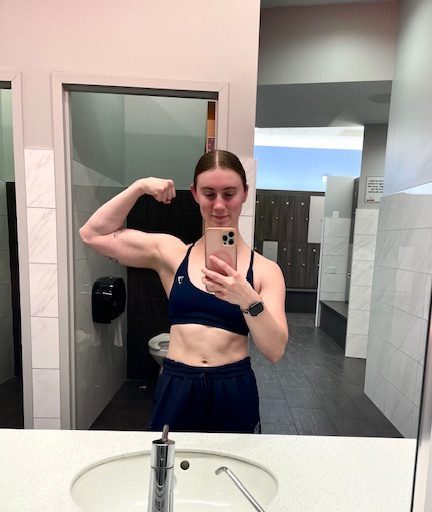
I know I threw a lot at you, but these are genuinely the tips I find myself coming back to over and over again. Fitness doesn’t have to be complicated. You don’t need the trendiest workout split, the most expensive supplements, or the fanciest gym clothes. Show up, work hard, fuel your body, and focus on getting just a little bit better each time you train. Those small improvements add up faster than you think.
One of my favorite things about the gym is that no two people are there for the same reason. The person next to you might be training for a marathon, getting ready for a bodybuilding show, recovering from an injury, or simply trying to become a healthier version of themselves. Whatever brought you through those gym doors, I hope you never lose sight of your why. On the days motivation disappears – and trust me, it will – your reason for starting is what will keep you going.
This is definitely not the end of the fitness content. I already have a few more posts planned, including one all about cardio and core training, along with examples of my favorite workout splits and how I structure my own training throughout the week. I can’t wait to share them with you.
Until then, I’ll leave you with one last piece of advice: don’t wait until you feel confident to start. Confidence isn’t always something you bring into the gym with you, it is something you build every time you decide to show up. So, throw on your favorite playlist, grab some carbs, and go get after it. You’re a beast! I’ll be cheering you on from afar.
Thanks for keeping up with Kay.







Leave a Reply